Introduction: By observing pictures of German network server rooms, one can learn intuitively the best practices for rack layout, power configuration, and heat management. From a professional perspective, this article summarizes practical optimization techniques, enabling domestic data centers to draw on Germany’s proven experience in layout and operations to improve reliability and energy efficiency.
General principles of cabinet layout as seen from pictures of German data centers
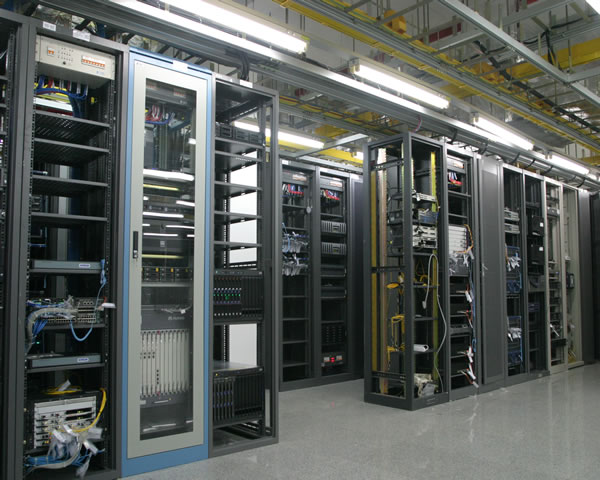
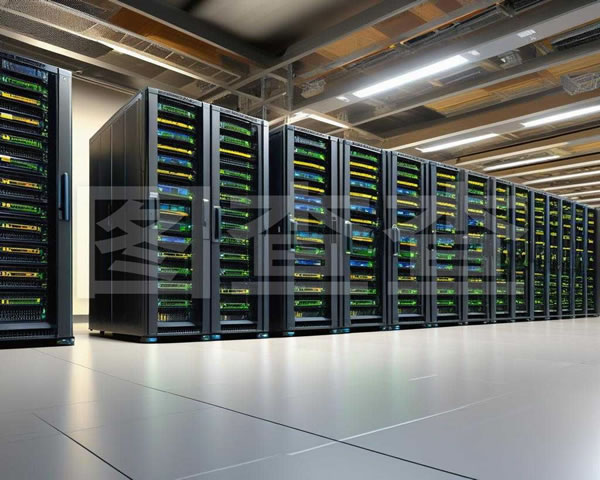
Common principles in images include uniform cabinet sizes, orderly arrangement, and clear channel division. Cabinet alignment, clear labeling, and cable trays help with quick location during maintenance, while also providing sufficient physical space and access for subsequent power and cooling systems.
Key Points of Power Distribution and Redundancy Design
Photos of server rooms in Germany show a common use of dual-power supply and PDU layering strategies, emphasizing redundancy and zoned power supply. A rational power supply topology can reduce the impact of single points of failure. Distributing load, planning for backup capacity, and leaving room for expansion are fundamental elements of a robust design.
Cabinet-level power management and grounding specifications
At the cabinet level, proper grounding, lightning protection, and current monitoring are essential. The image shows a common ammeter and remote monitoring interface, which facilitate real-time tracking of load and temperature, enable alarm integration, and ensure electrical safety and continuous power supply.
Tips for Separating Power Cables from Data Cables in Enclosures
German data centers place great emphasis on physically separating power supplies from data cables, using separate cable trays and pathways to reduce electromagnetic interference and maintenance risks. The image shows a clear cable layering design, as well as color coding and tie management, which facilitates troubleshooting and future expansion.
Thermal optimization: Isolation of hot channels from cold channels
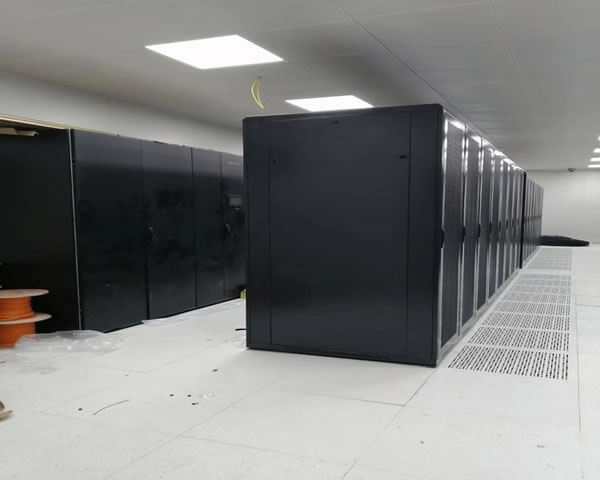
Hot/cold aisle layouts are very common in German data center images. By using a cabinet orientation with pre-cooling followed by heating, along with perforated designs on the baffles and cabinet doors, cold and hot air mixing can be significantly reduced, cooling efficiency can be improved, and the formation of hot spots can be minimized.
Details of plugging and airflow guidance
The baffle plates shown in the image, the sealing at the bottom of the cabinet, and the top airflow guide all help to direct the airflow. Proper use of void sealing, gap filling, and floor/ceiling baffles can prevent cold air leakage and improve overall cooling efficiency.
The impact of cabinet spacing and equipment arrangement on heat dissipation
Maintaining proper spacing between cabinets facilitates maintenance and airflow management. In the images, two arrangements are common: side by side and back to back. Appropriate spacing and aisle widths ensure proper air circulation and personnel safety, while also facilitating the insertion of mobile cooling units or movable trays.
The manifestation of monitoring and intelligent operation and maintenance in images
German server room The image shows a large number of sensors and monitoring nodes, including cabinet temperature and humidity, PDU current, and access control monitoring. With a centralized monitoring platform, alarm integration, historical trend analysis, and automated adjustments can be achieved, improving operational efficiency and fault response times.
Energy efficiency and compliance considerations from German pictures
Energy-saving measures such as heat recovery, variable-frequency fans, and on-demand cooling can be seen in the image. In terms of compliance, attention is paid to fire exits, ventilation, and noise control. Complying with local energy efficiency standards and safety regulations is an important guarantee for the long-term stable operation of computer rooms.
Summary and Recommendations
Conclusion: By analyzing images of German data centers, practical tips for cabinet layout, power redundancy, and heat dissipation optimization can be derived. It is recommended to prioritize implementing cable separation, isolation of hot and cold aisles, cabinet-level monitoring, and reserved redundancy, in line with local climate conditions and business requirements, to improve reliability and energy efficiency.